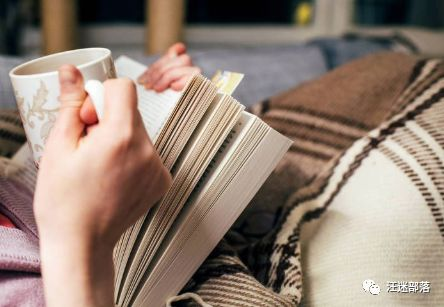
I read a lot of miscellaneous books, with no system or purpose. I pick up a book and read it. If I find it boring, I put it aside. The time I spend reading miscellaneous books is much more than that spent on literary works and reviews. I often read books about the customs and folkways of the seasons and the weather, such as "Jingchu Shijì Jì" and "Tokyo Mèihuá Lù". Next are the local chronicles and travel notes, such as "Lǐngbiǎo Lùyì" and "Lǐngwài Dàདá". I also like to read books about plants and animals, such as Fabre's "Insects" and Wu Qijun's "Plant Name and Reality Picture Book" and "Flower Mirror". Books on serious studies are also very interesting if they are written in a clear and not pedantic style, such as "Kuì-Yīn Lèi-Gǎo". "Shí-Jiā Zǎi Yǎng-Xīn Lù" is almost as good, and some of its parts are quite interesting. I also love to read books on calligraphy and painting. Some books cannot be classified, such as "Sòng Tí-Xíng Xǐ-Yuán Lù", which is about autopsies. Some books are already very comprehensive in their content, such as "Mèng-Xī Bǐ-Tán" and "Róng-Zhāi Suí-Bǐ", so I can only call them miscellaneous notes.
There are at least several benefits to reading miscellaneous books: ***. This is a very good rest. Make a cup of tea and lean back on the sofa, reading a miscellaneous book, which is much more comfortable than playing cards. Second, it can increase knowledge and broaden horizons. I learned from Fabre's book that the cicada is actually deaf, and from Wu Qijun's book that the gourd in ancient poetry is the winter purslane that people in Hunan and Sichuan still eat now. I am really very happy. Third, it can learn language. The text of miscellaneous books is written more casually and naturally, not in a serious and deliberate way, but with its own charm and close to spoken language. A modern writer who wants to learn language from the ancients would rather read more miscellaneous books than study hard on "The Wen Xuan of Zhaoming" and "The Eight Masters of the Tang and Song Dynasties". In this way, it is easier to integrate into his own writing. This is my personal experience. Young writers, you can try it.“The Eight Masters of the Tang and Song Dynasties”, instead of reading more miscellaneous books. In this way, it is easier to integrate into his own writing. This is my personal experience. Young writers, you can try it.“Wuxing's calligraphy is specially smooth, each stroke, each word, each line, is arranged in order and connected. The ancient calligraphy fonts are quite different in size, like an old man walking with his grandson, with different lengths and参差, but with sincere feelings and related to each other. Wuxing's calligraphy is like a scholar entering a narrow alley, walking slowly in order, and the color of everyone competing to go forward and compete is seen everywhere, how can we make the upper and lower left and right blank with words!”He is talking about calligraphy, but is it not also the same for writing novels and essays? The various parts of novels and essays should be“sincere in feeling and related to each other”, so as to achieve“the form is scattered but the spirit is not scattered”.
Written onJune 9, 1986, originally published inJuly8, 1986in the
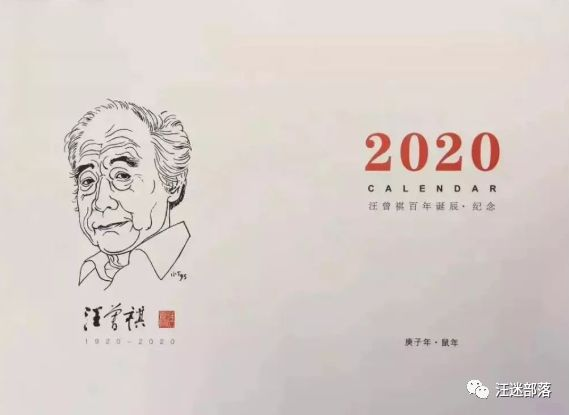
Follow Mr. Wang to appreciate beautiful writing
Follow Mr. Wang to enjoy the beautiful scenery
Follow old Wang to taste the delicacies
Wangaddict, Wang fan……Who***iron, who***fire, it's up to you:“Centennial Wang Lao”The internet celebrity's text selection event has sounded the gong and opened the curtain!(For details, please click to read)
The illustrations, text, and audio in this article that do not have an attributed author.
Please have the author contact WeChat君 to add a note.